
When it comes to managing natural light in a building, most solutions are static. You pick a window film, install it, and live with its appearance and performance year-round, whether it’s sunny, cloudy, or anything in between.
But what if the glass could adapt to changing light conditions on its own?
That’s the promise of photochromic window film, and it’s exactly what Howard Community College in Maryland used to solve a persistent glare problem in one of its most popular spaces.
Understanding Photochromic Window Film
Photochromic window film is designed to adjust its tint level in response to sunlight. On bright days, the film darkens to reduce glare and heat; on cloudy days or at night, it becomes clear to maximize visibility and natural light.
The science behind it is similar to photochromic lenses used in eyewear:
- No electricity or controls required – the change happens automatically.
- Dynamic shading – adapts to real-time conditions.
- Consistent comfort – reduces the need for blinds or blackout curtains when light blocking is desired.
For spaces with fluctuating light exposure, especially those with large, south-facing windows, this technology offers a balance between comfort and clarity that traditional films can’t match.
The Challenge at Howard Community College
The college’s cafe features expansive, south-facing windows that flood the space with natural light. While that’s ideal for creating an open, welcoming atmosphere, it also came with two major problems:
- Glare and heat gain on sunny days – making the space uncomfortable for students and staff.
- Visibility loss with traditional tinted films – darker films would permanently reduce light, making the space dim on cloudy days or in the evenings.
The college wanted a solution that would let in as much daylight as possible when conditions allowed, but still provide strong glare control when the sun was intense.
Finding the Right Technology
AP Corp had already worked on other campus projects for Howard Community College, earning the trust of their facilities team.
When this challenge arose, we collaborated closely with the manufacturer, Dynamic Glass Products, to identify the right solution: DGP-7018 Photochromic Transitional Window Film.
Why it was the perfect fit:
- Automatically transitions from clear to about 30% tint depending on sunlight intensity
- Filters UV rays to protect interiors and occupants
- Cuts solar heat gain to help lower cooling costs
- Maintains clear views in low-light conditions
This was a smart alternative to traditional static films, and it would give the cafe a more dynamic, responsive lighting environment.
How the Technology Works
Once installed, the film begins transitioning immediately. The technology is embedded directly in the film material, so there’s no need for wires, motors, or building automation systems.
On a bright day, the film darkens, similar to the factory tint you might see on the rear windows of an SUV. As clouds move in or the sun sets, it gradually returns to a nearly clear state.
This built-in adaptability provides the same glare-reducing comfort you’d expect from quality anti-glare film, but with the added advantage of adjusting automatically to changing light.
That adaptability means no more wrestling with blinds or shades, and no more choosing between glare control and daylight.
The Installation Process
The project took about a week to complete. The cafe’s high windows required ladder access, and the large glass surfaces called for careful handling to ensure a flawless finish.
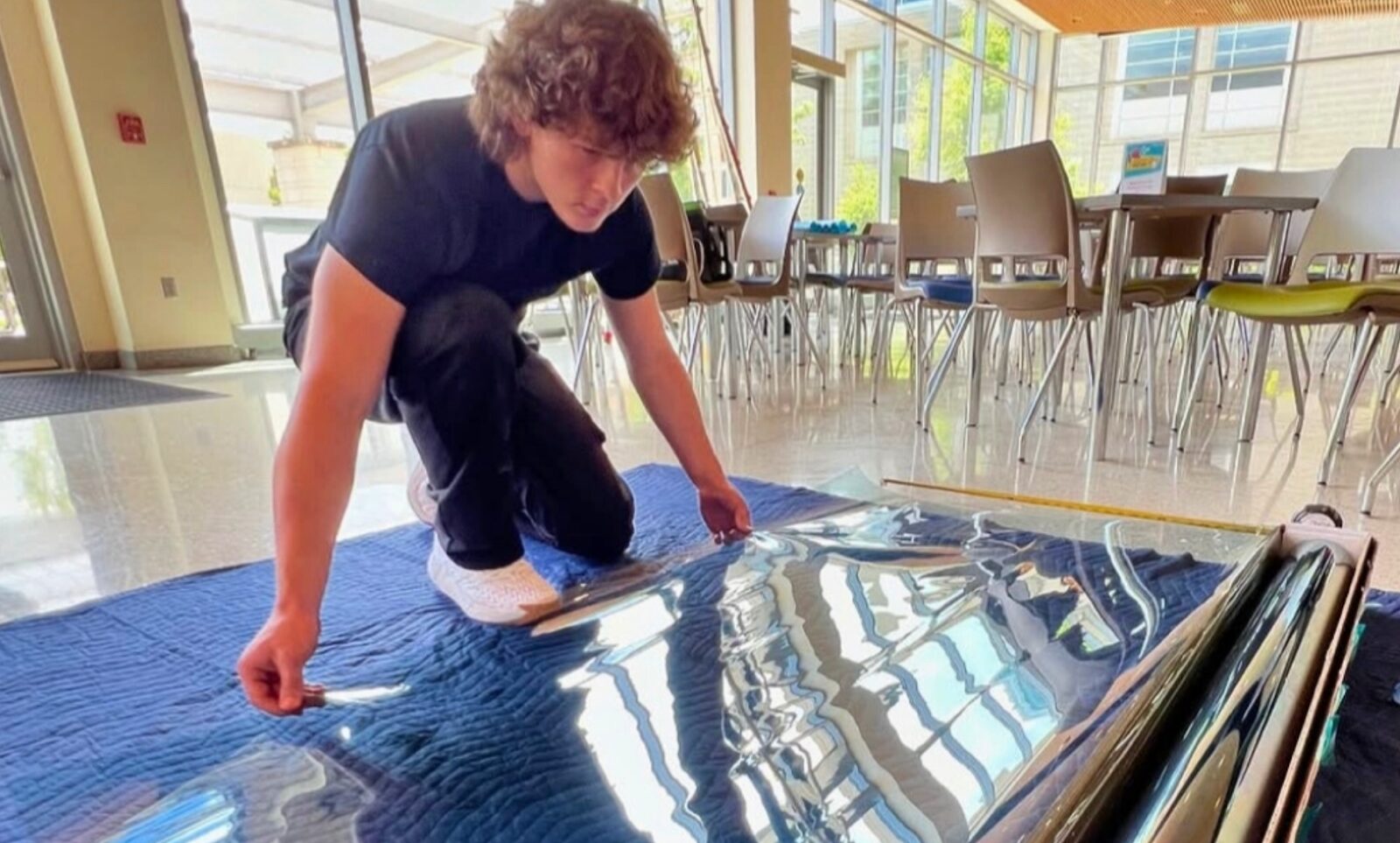
Because photochromic films are relatively rare in commercial installations, AP Corp’s Commercial Sales Manager Cody worked directly with Dynamic Glass Products to source and deliver the material.
The installation itself went smoothly, with no significant technical hurdles, a testament to our experience in handling specialized films.
The Results for Howard Community College
Once the film was in place, the benefits were immediate:
- Automatic glare reduction during peak sunlight hours
- Preserved daylight and clear views during cloudy weather and at night
- Lower cooling demand thanks to reduced solar heat gain
- No need for blinds or curtains that could obstruct the view or collect dust
The cafe now offers a comfortable, visually open space all day, every day, no matter the weather. Students can enjoy the natural light without squinting through glare, and the facilities team no longer has to worry about constant adjustments.
Where Photochromic Film Makes Sense
Howard Community College’s success shows that photochromic window film can be a game-changer in certain environments. It’s especially valuable for:
- Educational facilities with glass-heavy architecture
- Office spaces that want both daylight and comfort
- Hospitality venues where views are part of the experience
- Retail storefronts that need glare control without hiding merchandise
The key is matching the technology to spaces that see significant light variation throughout the day, where solutions such as solar window film can also help maintain comfort by managing heat and glare.
An Innovative Approach to Light Management
Most window film projects focus on static performance, blocking a set percentage of light and heat all the time.
Photochromic technology shifts that thinking, delivering dynamic performance that changes as the environment does, while still delivering classic window film benefits.
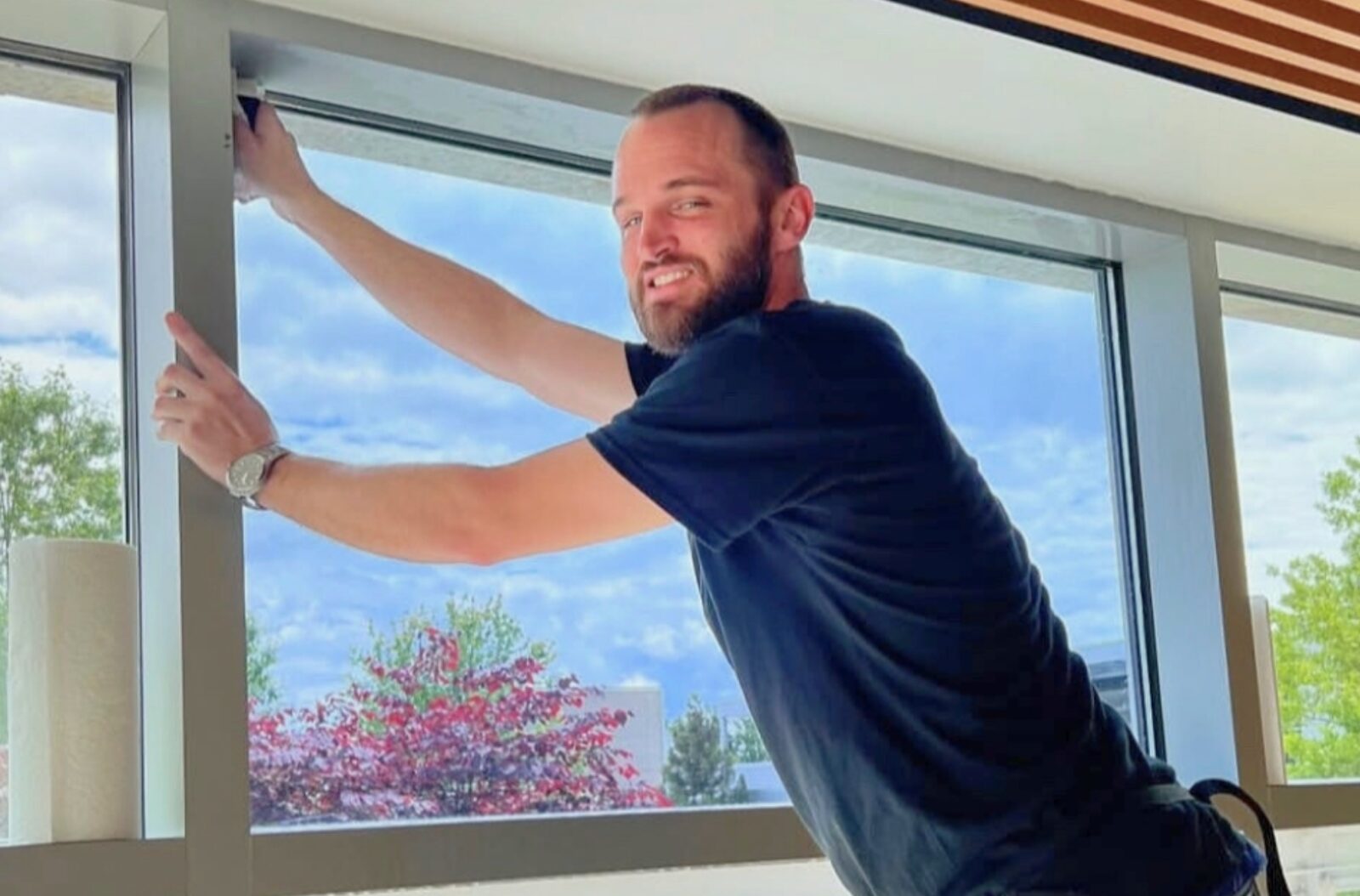
This project not only solved a long-standing problem for Howard Community College but also demonstrated AP Corp’s ability to source and install cutting-edge solutions that go beyond the usual.
Considering Photochromic Film for Your Building?
If glare control, heat reduction, and preserved views are all priorities, photochromic technology may be exactly what you need.
It offers the flexibility of manual shading without the hassle, and it’s backed by the same durability and warranty standards as premium static films.
Howard Community College’s cafe is now proof of how effective this approach can be. And with energy efficiency benefits that may even qualify for rebates, it’s a forward-thinking upgrade that pays off in more ways than one.
With our professional window film installation, you can be confident your photochromic film will perform flawlessly and deliver lasting results.
Contact us today to discuss your project, explore options, and get expert guidance every step of the way.